Bookman: The Nostalgic Serif for Modern Design
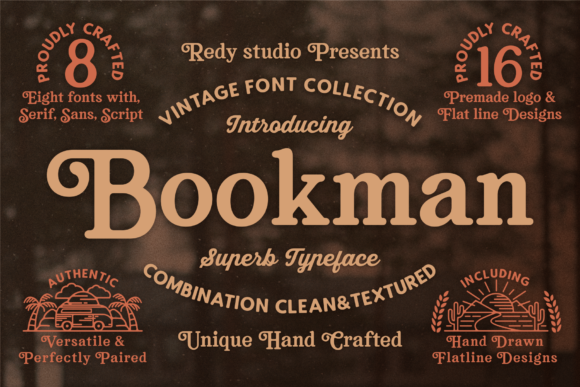
There’s something instantly familiar about the typeface Bookman. It carries the warmth of a well-loved book cover from the mid-20th century, a touch of vintage advertising charm, and a sturdy, dependable character that feels both classic and approachable. Inspired by the thick, rounded serif designs of the 19th-century printing presses, Bookman is a display font that doesn’t shout for attention but rather invites you in with its confident, friendly presence. It’s a serif font that bridges the gap between tradition and contemporary use, offering a unique blend of nostalgia and practicality.
Visual Character and Personality
At its core, Bookman is defined by its robust, rounded letterforms. The serifs are heavy and bracketed, creating a sense of stability and warmth. Unlike more delicate or sharp-edged serifs, Bookman’s strokes have a consistent, even weight that gives it excellent legibility, especially at larger sizes. The curves are open and generous, avoiding any feeling of stuffiness or excessive formality. This gives the typeface a personality that is honest, reliable, and slightly retro. It’s a creative font that feels handcrafted, yet its structure is clean enough for modern digital applications. Think of it as the typographic equivalent of a comfortable, well-made leather armchair—it’s timeless, inviting, and built to last.
Where Bookman Truly Shines
The strength of a premium font like Bookman lies in its versatility, but it excels particularly in projects where you want to convey authenticity, warmth, and a touch of heritage. Its display font nature makes it perfect for headlines, logos, and pull quotes that need to make a strong, memorable statement without being aggressive.
In brand identity, Bookman is a superb choice for businesses that want to project trustworthiness and approachability. Imagine it for a boutique coffee roaster, an independent bookstore, a craft brewery, or a family-owned bakery. It instantly communicates a story of quality, care, and tradition. For logo design, its distinctive letterforms create a mark that is both recognizable and full of character.
For editorial design and publishing, Bookman is a natural fit. It brings a wonderful rhythm to magazine features, book covers, and chapter headings. Its readability at display sizes makes it ideal for creating strong visual hierarchy on a page, guiding the reader’s eye effectively. In packaging design, it can lend a rustic, artisanal quality to labels for gourmet foods, cosmetics, or handmade goods.
Digital applications benefit from its clarity. In web design, a well-chosen Bookman can be used for impactful hero text or distinctive headers that stand out against a sea of minimalist sans serifs. For social media graphics, it provides a ready-made aesthetic that can make quotes, announcements, and promotional posts feel more substantial and curated. It’s a commercial font that works just as well on a website as it does on a printed business card or a product hang-tag.
Influencing Perception and Engagement
The fonts you choose are silent ambassadors for your message. Bookman influences how your audience perceives your content in several key ways. Its sturdy, rounded forms enhance readability for short bursts of text, reducing cognitive load and making information easy to digest. This contributes directly to positive audience engagement.
By establishing a clear visual hierarchy, Bookman helps organize information logically. A bold Bookman heading paired with a clean sans serif font body text, for example, creates an immediate and satisfying contrast that is both pleasing to the eye and functionally sound. This thoughtful pairing is a cornerstone of effective modern typography.
Consistently using a distinctive typeface like Bookman across your touchpoints builds brand recognition. Its unique personality helps your materials become instantly identifiable, fostering a sense of familiarity and trust with your audience. It adds a layer of professionalism that suggests careful consideration and a commitment to quality.
Practical Guidance for Using Bookman
Choosing a font is a practical decision. Here’s how to evaluate if Bookman is the right design asset for your project.
Evaluate the Fit: Does your project’s personality align with Bookman’s? It’s excellent for brands and projects that value heritage, craftsmanship, warmth, and approachability. It might be less suitable for ultra-modern, minimalist, or high-tech contexts where a sleek sans serif font would be more appropriate.
Test Font Pairings: Bookman’s strong character means it pairs best with simpler, more neutral fonts. A classic sans serif font like Helvetica, Arial, or a geometric sans like Futura makes an excellent partner for body text, allowing Bookman’s headings to stand out. Avoid pairing it with other highly decorative script fonts or handwritten fonts, as this can create visual clutter.
Review the Styles: A quality Bookman family will often include more than just the regular weight. Look for bold, italic, and sometimes condensed or expanded versions. These provide flexibility for creating emphasis and variety within your designs while maintaining a cohesive look.
Mind the Readability: While excellent for display, use Bookman with caution for long paragraphs of small body text, especially on screen. Its heavy serifs and relatively low x-height in some versions can cause fatigue. It’s best used where it can breathe—at larger sizes for titles, subheadings, and short captions.
Understand the Licensing: If you’re using Bookman for commercial projects—from client work to products you sell—you need to ensure you have the proper commercial font license. Many foundries offer desktop, web, and app licenses. Verify the terms to ensure your usage is covered, whether you’re designing a logo for a client or embedding it on a commercial website.
Ultimately, Bookman is more than just a collection of letters. It’s a tool for storytelling. Its vintage printing inspiration gives it a soul that can add depth, warmth, and a memorable character to a wide range of creative work. By understanding its strengths and applying it thoughtfully, you can harness its nostalgic charm to create designs that feel both timeless and genuinely engaging.