Summer Colorful: Infusing Retro Groovy Energy into Modern Design
Capturing the Spirit of the 70s in Contemporary Projects
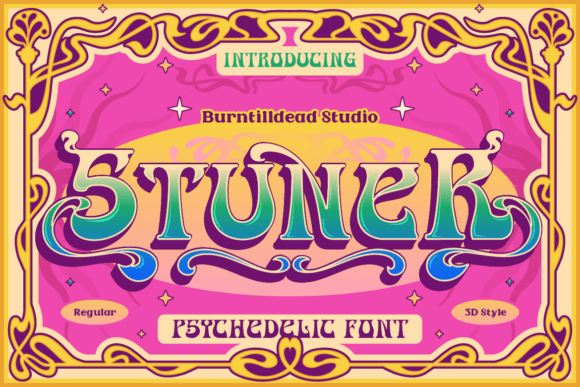
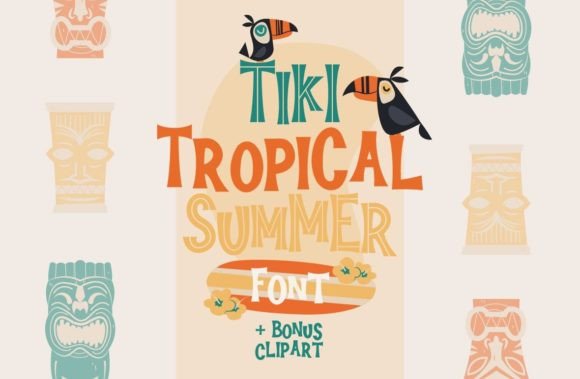
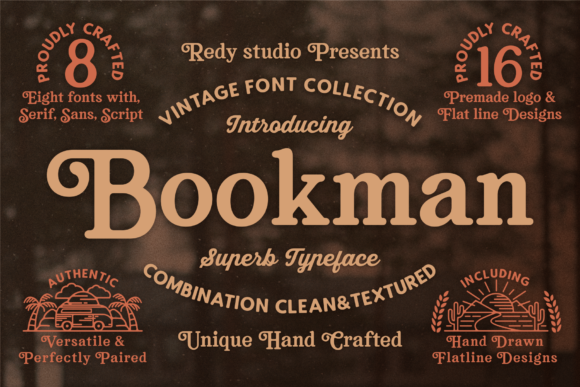
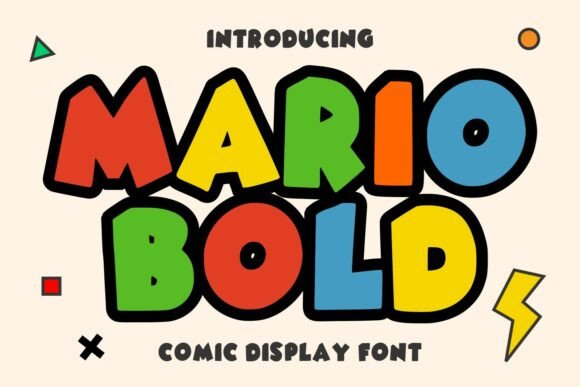
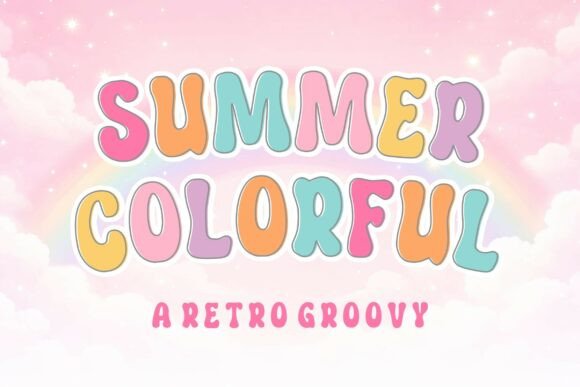
There is a specific kind of energy that defined the graphic design of the 1970s—a mix of optimism, psychedelic flair, and a refusal to take things too seriously. For designers and entrepreneurs today, tapping into that nostalgic aesthetic isn't just about copying the past; it's about bringing warmth and approachability to modern branding. This is where the Summer Colorful typeface enters the conversation. It isn't just a collection of letters; it is a visual translation of sunshine, vintage vinyl, and groovy afternoons. The typeface features soft, rounded shapes and bold bubble letters that immediately evoke a sense of playfulness, making it a standout choice for anyone looking to inject personality into their visual assets.
As a premium font, Summer Colorful leans heavily into a whimsical, retro aesthetic. You will notice that the letterforms avoid sharp edges, opting instead for smooth curves that feel friendly and inviting. This design choice is critical because it signals approachability. When a potential customer sees this font on a logo or social media post, the subconscious association is often one of fun and creativity rather than corporate stiffness. It sits comfortably in the realm of display font typography, meaning it is engineered to grab attention in headlines and large formats rather than long blocks of body text. If your project requires a typeface that screams "good times," this particular style of modern typography delivers exactly that.
Strategic Applications: From Branding to Social Media
Understanding where to deploy a font like Summer Colorful is key to maximizing its impact. Because of its bold weight and distinctive character, it is rarely the right choice for the fine print or lengthy paragraphs in a manual. Instead, its strengths lie in high-visibility applications. Think about the header of a landing page announcing a seasonal sale, or the masthead of a summer festival poster. In these contexts, the font does the heavy lifting of catching the eye and setting the mood instantly. It creates a visual hierarchy that directs the viewer’s attention exactly where you want it.
For small business owners and entrepreneurs, particularly those in the lifestyle, food, or children’s sectors, Summer Colorful offers significant value. Consider a local ice cream shop or a beachside café; using this typeface for their menu boards or window decals reinforces their brand personality without saying a word. It suggests that the business is relaxed and enjoyable. Similarly, in packaging design, especially for artisanal goods or boutique items, this font can help a product stand out on a crowded shelf. It transforms standard packaging into a design asset that feels curated and thoughtful.
The digital landscape is another area where this typeface shines. Social media graphics need to stop the scroll, and the bubbly, retro nature of Summer Colorful is perfect for that. Whether you are creating an Instagram story, a Pinterest pin, or a YouTube thumbnail, the font adds a layer of visual interest that standard sans-serifs often lack. It helps in establishing a consistent brand identity that feels cohesive across different platforms. Furthermore, for web design, using it for hero text or call-to-action buttons can significantly increase engagement by adding a touch of personality to the user interface.
Practical Design Mechanics and Font Pairing
While the aesthetic appeal of Summer Colorful is obvious, practical application requires a bit of strategy. One of the most common mistakes creatives make with creative fonts is failing to pair them correctly. Because Summer Colorful is so distinct and bold, it demands a partner that is quieter and more structured. If you pair it with another decorative script font or a busy handwritten font, the result will be visual chaos. The audience won't know where to look, and the message gets lost in the noise.
The most effective approach is usually a contrast pairing. A clean, geometric sans serif font works exceptionally well here. The neutrality of the sans-serif allows the personality of Summer Colorful to pop without competing for attention. Alternatively, if you are going for a more editorial look, a classic serif font can provide an interesting tension between modern playfulness and traditional elegance. When testing your pairings, always check the x-height and weight distribution. You want the transition from the headline to the body copy to feel natural, ensuring readability remains high even as the visual style shifts.
It is also worth exploring the specific styles included within the font family. Many professional design assets come with variations—perhaps outline versions, shadow layers, or alternate characters. Utilizing these features allows for more dynamic editorial design and logo design. For instance, using the outline version for a secondary tagline can maintain the brand voice while creating a subtle distinction from the main headline. Before finalizing your design, always test the font at the size it will be viewed. A display font that looks charming on a business card might look entirely different on a billboard or a mobile screen. Ensuring the commercial font license covers your specific usage—whether for digital merchandise or physical print—is the final, non-negotiable step in professional design work.