Bringing Authentic Character to Your Projects with Vintage Typewriter
There’s a particular charm to the clack of keys and the slightly imperfect impression of ink on paper. It speaks of a time when correspondence had weight and documents felt crafted by hand. If you want to inject that specific, nostalgic authenticity into your digital designs, the Vintage Typewriter font is your direct line to that classic aesthetic. It’s more than just a serif font; it’s a character piece.
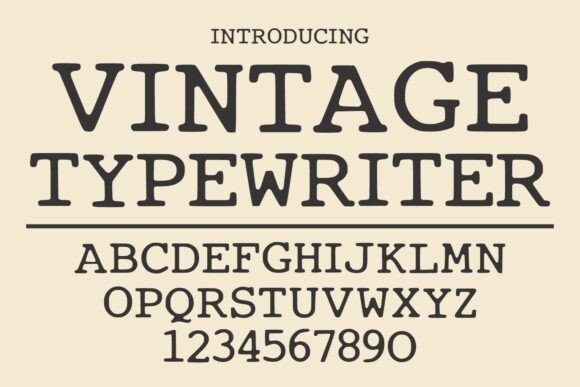
This typeface isn't a slavish copy of a single machine's output. Instead, it captures the essence of traditional typewriter lettering and old editorial typography. You’ll notice its clean structure and timeless character shapes immediately. The letterforms have that familiar, slightly uneven baseline and subtle variations in stroke weight that mimic the mechanical action of a real typewriter. Yet, it avoids being overly distressed or messy. It maintains a crisp, professional readability that makes it a versatile premium font for both display and body text in the right context. The personality it conveys is one of authenticity, nostalgia, and a quiet, confident professionalism.
Where Does This Typeface Truly Shine?
Understanding a font's strengths is key to using it effectively. Vintage Typewriter excels in projects where you want to evoke a sense of history, craftsmanship, or thoughtful communication. It’s a fantastic creative font for specific applications.
- Branding & Logo Design: For brands in artisanal crafts, boutique publishing, specialty coffee, heritage goods, or independent consulting, this font can become a cornerstone of your brand identity. It instantly suggests authenticity and a hands-on approach. Think of a logo for a custom leather journal maker or a small-batch roastery.
- Editorial & Publishing: This is a natural home. Use it for book cover titles, chapter headings, or pull quotes in magazines and blogs. It adds instant literary credibility. For a memoir or a historical fiction novel, the Vintage Typewriter font sets the perfect tone before a word of the story is read.
- Packaging & Print Design: On packaging for gourmet foods, spirits, or handmade soaps, it communicates quality and tradition. It’s equally effective on posters for film festivals, theater productions, or vintage markets, where it helps establish a retro theme.
- Digital & Web Design: While best used judiciously for web headings due to file size considerations, it can make a blog header, a landing page hero text, or social media graphics stand out. It’s a display font that grabs attention without being loud.
Making It Work: Practical Guidance for Designers and Creators
Choosing the right font is only half the battle. Using it well is what makes a design successful. Here’s how to get the most out of Vintage Typewriter.
Evaluating Project Fit and Readability
First, ask if the font’s personality aligns with your project’s goals. It’s perfect for a lawyer’s personal blog aiming for a classic, trustworthy feel, but might not suit a cutting-edge tech startup’s app interface. Test its readability at the sizes you’ll use. Its clear structure holds up well, but for very long blocks of small text on screen, pairing it with a clean sans serif font for body copy is often a wise choice. This creates a balanced visual hierarchy.
Masterful Font Pairing
The true power of a display font like this is unlocked through pairing. For contrast and balance, combine it with a simple, geometric sans serif. The clean lines of the sans serif let the character of the typewriter font breathe. For a more harmonious, period-appropriate look, you could pair it with a serif from a similar era, but be cautious—two very decorative serifs can clash. A script font or handwritten font can also work for accent text, creating a dynamic, layered look in invitations or promotional materials.
Understanding the Package
When you acquire a commercial font like this, examine the full package. Does it include multiple weights (Regular, Bold)? Does it have OpenType features like stylistic alternates, ligatures, or extended language support? These extras provide flexibility. For instance, a stylistic alternate for the letter ‘a’ or ‘g’ can subtly change the font’s feel. Always review the licensing to ensure it covers your intended use, whether for a single client project or unlimited commercial work. A quality design asset comes with clear terms.
Real-World Application: A Case Study
Consider a small publisher launching a series of classic mystery reprints. The brand identity needs to feel classic, intelligent, and slightly suspenseful. Using Vintage Typewriter for all series titles and chapter headings on the covers and interiors immediately establishes a cohesive, thematic look. Paired with a neutral sans serif for author names and blurbs, the design achieves a perfect balance of character and clarity. This consistent use across the series builds strong brand recognition on the shelf and in online stores.
Ultimately, Vintage Typewriter is a tool for storytelling. It’s a serif font that doesn’t just sit on the page; it speaks. It tells your audience that you value substance, history, and a touch of human imperfection. Whether you’re crafting a brand from the ground up, designing a key marketing piece, or adding a personal touch to a creative project, this typeface offers a direct and powerful way to connect with that timeless, authentic feeling. It’s a versatile addition to any designer’s toolkit, ready to bring the charm of the classic writing machine into the modern creative landscape.