Vernacular Serif: A Typeface Family for Cohesive Branding
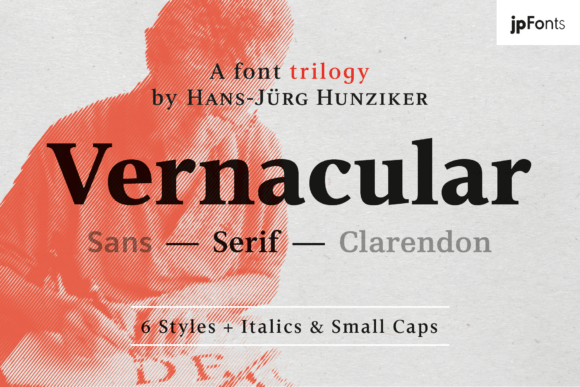
When you find a typeface that does more than just sit on a page, it changes how you approach design. Vernacular Serif is that kind of font. Designed by Swiss typographer Hans-Jürg Hunziker, who honed his skills under the legendary Adrian Frutiger, this isn't just another serif font. It's part of a meticulously crafted trilogy—Serif, Sans, and Clarendon—built to work in concert. The result is a system that offers visual harmony across any project, from a logo design to a full brand identity.
The Visual Personality: Noble Yet Approachable
Vernacular Serif strikes a rare balance. It carries the elegance and authority of a traditional serif font, but with a warmth that feels genuinely sympathetic. This comes from Hunziker's "Swiss school" training, which emphasizes clarity and function without sacrificing character. You'll notice its transitional structure—it bridges the gap between old-style and modern typefaces—giving it a timeless quality that avoids feeling dated or overly trendy.
Unlike some display fonts that shout for attention, Vernacular Serif works quietly in the background, establishing a tone of professionalism and trust. Its proportions are carefully considered, and the straight stems it shares with its Sans and Clarendon siblings create a subtle, underlying cohesion. This is a premium font designed for serious work, where every detail contributes to a polished final product.
Where This Type System Truly Shines
The real power of the Vernacular trilogy is its versatility across mediums. Here’s where it becomes an invaluable design asset:
- Editorial & Publishing Design: For book layouts, magazines, and long-form articles, Vernacular Serif excels. Its excellent readability at body text sizes and the availability of multiple weights make it perfect for creating clear visual hierarchy between headings, subheads, and body copy. The separate, finely drawn italics add a layer of sophistication for emphasis or quotes.
- Brand Identity & Corporate Design: Building a brand requires consistency. Using the Vernacular family allows you to select a primary typeface—like the Serif for a classic, authoritative feel—and pair it with the Sans or Clarendon for secondary uses. This ensures your brand identity remains cohesive across business cards, websites, packaging, and presentations.
- Digital & Web Design: In the realm of web design, clarity is king. The Sans and Serif families are both optimized for screen rendering. Using Vernacular Serif for headlines or pull quotes on a website, paired with the clean Sans for body text, creates a professional and highly readable user experience.
- Packaging & Marketing Materials: From product labels to social media graphics, the font's noble character lends credibility. For a craft brewery, a boutique hotel, or a luxury skincare line, Vernacular Serif can help elevate the perceived quality and craftsmanship of the product.
Making the Right Choice for Your Project
Choosing a typeface is a strategic decision. Before committing to Vernacular Serif, consider these practical steps:
- Evaluate the Project's Voice: Does your project need to feel traditional, trustworthy, and refined? If so, the Serif is likely a strong candidate. If it needs to feel more contemporary and clean, start with the Sans. The Clarendon offers a sturdy, confident middle ground.
- Test Font Pairings: Don't just look at the Serif in isolation. Download the trial weights and test how it pairs with the other styles in the trilogy. See how a headline in Vernacular Serif Bold interacts with body text in Vernacular Sans Regular. This system is built for pairing, so take advantage of it.
- Check the Style Range: Review the 12 weights included in each family. Do you need a very light weight for delicate subheads or a heavy weight for impactful display text? Having this range within one cohesive system is a significant advantage for complex projects.
- Consider Licensing: As a commercial font, ensure the license covers your intended use—whether for a single client project, multiple digital products, or full-scale corporate deployment. Proper licensing is a mark of professionalism.
The Final Word on Readability and Recognition
Ultimately, a typeface's job is to communicate. Vernacular Serif does this with a quiet confidence. Its design promotes excellent readability, which directly influences how long an audience engages with your content. When text is easy to read, your message gets through. When your typeface choice is consistent and appropriate, it builds recognition and reinforces professionalism.
For designers, entrepreneurs, and publishers looking for a versatile, high-quality typographic toolkit, the Vernacular trilogy is worth serious consideration. It provides the building blocks for creating cohesive, readable, and visually compelling work across the entire spectrum of modern design applications. It’s not just a font; it’s a system for building visual clarity and trust.