The Enduring Allure of Old English Blackletter
There's a certain weight to Old English lettering. It doesn't whisper; it declares. This isn't just another font; it's a piece of history, a typeface that carries the gravity of medieval manuscripts and the flourish of calligraphic artistry. The Old English Blackletter Font captures that essence perfectly. With its intricate details, bold strokes, and dramatic presence, it serves as a powerful design asset for projects that demand a touch of timeless grandeur. For designers, entrepreneurs, and creators, understanding how to wield this style effectively is key to unlocking its potential.
Visual Character and Personality
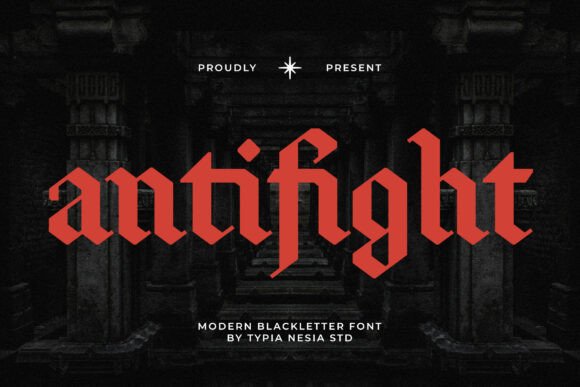
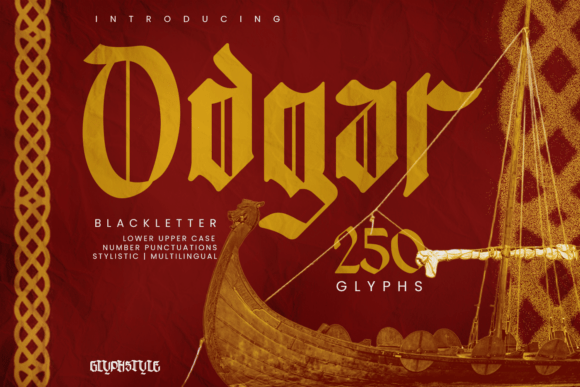
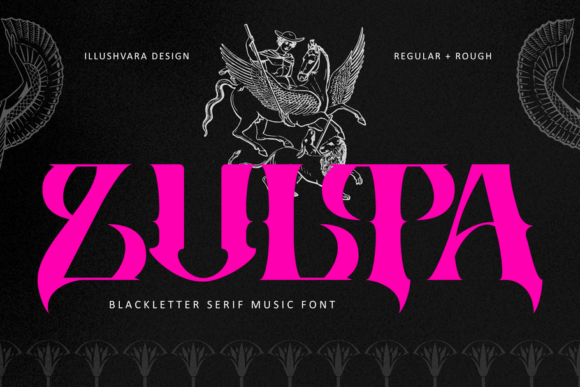
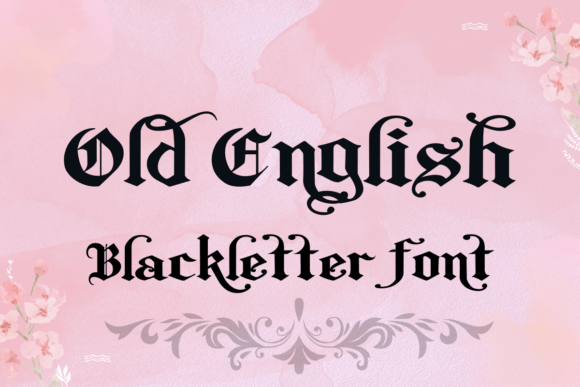
At first glance, Old English is unmistakable. Its visual personality is defined by high contrast between thick and thin strokes, sharp, angular forms, and decorative terminals that often resemble points or spurs. The letterforms are dense and condensed, creating a rich texture on the page or screen. This serif font ancestor is ornate, with vertical stress and a strong geometric underpinning that gives it both structure and drama. It feels historical, authoritative, and deeply connected to tradition. Think of it as the typographic equivalent of a cathedral's stained glass or a forged iron gate—it commands attention and conveys a sense of established importance.
This style isn't about quiet communication. Its strength lies in its ability to evoke specific moods and associations: heritage, formality, craftsmanship, and a certain gothic elegance. However, that same ornate detail is what makes it a display font. Its complexity means it shines in headlines, logos, and short bursts of text, but quickly becomes challenging to read in long paragraphs. Its personality is best suited for projects where impact and atmosphere are prioritized over dense information delivery.
Strategic Applications for Modern Projects
Knowing where this creative font excels is crucial. Its applications span a wide range, but the common thread is a need for a strong, distinctive voice.
Branding and Logo Design
In logo design, Old English can be a cornerstone for brands wanting to project a classic, luxurious, or heritage-oriented identity. It works exceptionally well for law firms, boutique barbershops, artisanal breweries, high-end watchmakers, or any business where tradition and craftsmanship are core values. The key is to use it sparingly—often for the primary logotype or monogram—pairing it with a clean, modern sans serif font for body text to maintain balance and readability. This creates a powerful visual hierarchy that feels both established and contemporary.
Publishing and Editorial Design
For editorial design, this blackletter font can set the tone for entire publications. It's a natural fit for magazine mastheads, book covers for historical fiction or fantasy genres, chapter headings, and pull quotes. It instantly transports the reader to a different era. When used in packaging design, particularly for premium goods like whiskey, artisanal chocolates, or luxury soaps, it adds an immediate layer of perceived quality and tradition, suggesting a product made with time-honored methods.
Digital and Print Marketing
In the digital realm, its use requires more caution. It can make a dramatic statement in web design for a hero section headline or a special announcement banner. However, legibility on small screens is a major consideration. For social media graphics, it can be highly effective for quote cards, event announcements, or holiday greetings where a short, impactful message needs to stand out in a busy feed. In print, it excels on certificates, awards, diplomas, and elegant invitations, where its formal nature adds a sense of ceremony and importance.
Practical Guidance for Effective Use
Integrating a premium font like this into your workflow requires more than just installation. Thoughtful application is what separates a sophisticated design from a cliché.
Evaluating Project Fit and Readability
First, always ask: does this typeface align with my project's core message and audience? A tech startup's app interface probably isn't the place. A historical society's gala invitation absolutely is. Conduct a readability test. Set your intended headline text in Old English and step back. Can you read it effortlessly at a glance? If not, simplify the wording or consider a slightly less ornate blackletter style.
Mastering Font Pairing and Hierarchy
The art of font pairing is non-negotiable here. Old English craves contrast. It typically pairs best with simple, geometric sans serif fonts (like Helvetica, Futura, or Gill Sans) for body copy, or occasionally with a clean, transitional serif font for a more traditional feel. Avoid pairing it with other highly decorative styles like script fonts or handwritten fonts, as this creates visual chaos. Establish a clear hierarchy: use Old English for your primary headline or logo element, a complementary sans serif for subheadings, and a highly legible font for body text.
Checking Licensing and Available Styles
Before finalizing your design, verify the commercial font license. Does it cover your intended use—web, print, merchandise, or broadcast? Also, explore what's included in the font family. Some premium font packages offer multiple weights (like regular, bold, or light) or stylistic alternates, which can provide valuable flexibility within the same aesthetic. This ensures your brand identity remains consistent across all touchpoints.
Embracing Modern Contexts
Finally, don't be afraid to use Old English in modern contexts. The juxtaposition of an ancient letterform with a sleek, minimalist layout or a vibrant, contemporary color palette can create a striking and memorable effect. It’s about using historical reference as a tool for innovation, not just replication. By applying this iconic style with intention and restraint, you can add a layer of depth and sophistication to your work that resonates with audiences seeking authenticity and distinction in a world of fleeting trends.