Sofia Dream: A Vintage Serif for Modern Femininity
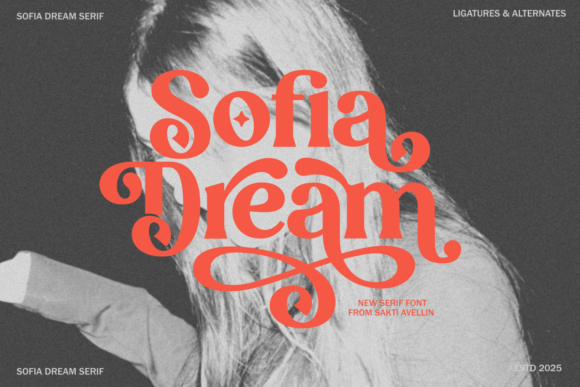
There’s a particular kind of design challenge that calls for something more than just a clean sans serif or a straightforward serif. It’s the project that needs warmth, personality, and a touch of nostalgic elegance without feeling dated. This is where a typeface like Sofia Dream finds its purpose. It’s not just a premium font; it’s a carefully crafted design asset that brings a distinct character to the table. With its graceful curves, soft, rounded edges, and a subtle nod to 70s aesthetics, it offers a bold yet approachable femininity that can transform the feel of a project from ordinary to memorable.
The Visual Personality: More Than Just Curves
At first glance, Sofia Dream is a serif font, but its personality defies simple categorization. The serifs themselves are softened, lacking the sharp, formal edges of a traditional typeface like Times New Roman. This gives it an inherent friendliness. The letterforms have a gentle, flowing quality, with terminals that often end in a soft, rounded shape. This design choice is deliberate, creating a visual rhythm that feels both elegant and inviting. It’s a display font at heart, meaning it’s crafted to shine in headlines and prominent text where its details can be fully appreciated. Think of it as the typographic equivalent of a well-tailored blouse with a subtle, beautiful print—it’s professional, but it has a story to tell.
The "dash of 70s flair" isn't about being retro or kitschy. It’s more of an inspiration—a hint of the organic, free-flowing design trends of that era, filtered through a contemporary lens. This results in a typeface that feels timeless rather than tied to a specific decade. The included extra alternates and subtle ligatures are key to its versatility. These OpenType features allow you to customize the look, swapping out standard characters for stylistic alternatives that can add a unique flourish to logos or headlines, or connecting letters in a way that enhances readability and flow in longer text.
Practical Applications: Where Sofia Dream Truly Shines
The real value of any creative font lies in its application. Sofia Dream’s strength is its ability to adapt across a wide spectrum of projects, infusing each with its signature charm. For brand identity work, particularly for businesses targeting a feminine audience—think boutique skincare, artisan bakeries, wellness coaches, or lifestyle blogs—it can become a cornerstone. Used in a logo design, it immediately communicates a sense of thoughtful, curated elegance. Paired with a clean sans serif font for body text, it creates a beautiful and functional font pairing that balances personality with readability.
- Packaging Design & Product Labels: On a coffee bag, a candle label, or a box of handmade soaps, Sofia Dream adds a premium, artisanal touch that suggests quality and care.
- Editorial & Publishing: For book covers, especially in genres like contemporary romance, women’s fiction, or lifestyle non-fiction, it sets the perfect mood. It’s equally effective for magazine headlines or chapter titles.
- Digital & Social Media: In the fast-scrolling world of Instagram or Pinterest, a social media graphics template using Sofia Dream for quotes or announcements can stop a thumb. It brings a cohesive, professional look to a content creator’s feed.
- Physical Products & Merchandise: On a tote bag, a t-shirt, or a mug, the font’s friendly elegance makes a design feel personal and stylish, perfect for small business merchandise or personal projects.
Making It Work: A Designer’s Practical Guide
Choosing a font is a strategic decision. Before you commit to Sofia Dream for a project, ask yourself: Does the project’s personality align with the font’s? It’s ideal for contexts where warmth, approachability, and a touch of classic beauty are desired. It might not be the best fit for a corporate financial report or a gritty, urban streetwear brand. Evaluating the project fit is the first and most important step.
Next, consider readability. As a display font, Sofia Dream is perfect for short bursts of text: headlines, logos, pull quotes, and subheadings. Using it for lengthy paragraphs of body copy can become tiring for the eye. The best practice is to pair it with a highly legible sans serif font or a simpler serif for running text. Test your pairings carefully. Look for contrast in weight and style, but harmony in mood. A good pairing should feel intentional, not accidental.
Take time to explore the full character set. Dive into the OpenType panel in your design software to see the alternates and ligatures. This is where you can add a unique signature to a client’s logo or a special touch to a wedding invitation. Finally, ensure you are clear on the commercial font licensing. For any project that will be sold, distributed, or used for a client’s business, you need the appropriate license. This protects both you and the font designer, and it’s a non-negotiable part of professional practice.
In the end, a typeface like Sofia Dream is more than a collection of glyphs. It’s a tool for storytelling. When used thoughtfully, it doesn’t just present words—it infuses them with a specific feeling, helping to build a recognizable brand, capture attention, and create a lasting impression. It’s the kind of design asset that, once you understand its strengths, becomes a go-to in your creative toolkit for projects that need to connect on a human, emotional level.