Pierson: An Essential Serif Font for Modern Designers
Understanding the Visual Character of Pierson
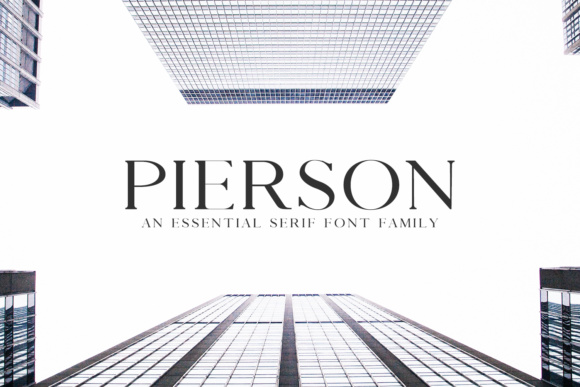
In the search for a reliable typographic workhorse, many designers find themselves caught between the rigid formality of traditional serifs and the overly stylized nature of display fonts. Pierson strikes a balance that solves this common dilemma. It is not just another serif typeface; it is an essential family designed to bridge the gap between classic elegance and contemporary utility. When you look at Pierson, you immediately notice its clean lines and balanced proportions. It avoids the excessive flaring of older serif styles, opting instead for a refined structure that feels grounded and trustworthy.
The personality of Pierson is best described as confident without being arrogant. It carries a professional weight that commands attention in headlines, yet it retains enough warmth to remain approachable in longer text blocks. This is the kind of premium font that doesn't scream for attention but rather earns it through clarity and sophistication. Whether you are a seasoned typographer or a business owner creating your own marketing materials, the visual stability of Pierson provides a solid foundation for your message.
Real-World Applications: Where Pierson Excels
The true test of any typeface is how well it performs in the wild. A font might look beautiful on a specimen sheet, but if it falls apart on a mobile screen or gets lost on a billboard, it fails its primary purpose. Pierson was built with versatility in mind, making it a robust choice for a wide array of projects. Its utility spans across multiple industries, proving its worth in both digital and physical spaces.
Branding and Logo Design
For startups and established businesses alike, logo design is a critical touchpoint. You need a font that scales well from a tiny favicon to a massive storefront sign. Pierson works exceptionally well here because of its distinct weights. The ability to switch between light, regular, and bold weights allows for the creation of dynamic logos that have built-in hierarchy. A brand identity built on Pierson feels cohesive because the font possesses enough character to be memorable, yet it is neutral enough to adapt to different brand voices—whether you are a high-end law firm or a trendy boutique.
Editorial and Packaging Design
When it comes to editorial design, readability is king. Pierson’s open letterforms and generous spacing ensure that readers can consume content without eye strain. This makes it an excellent candidate for magazines, blog headers, and book layouts. Similarly, in packaging design, shelf appeal is everything. The serif font style of Pierson conveys quality and tradition, which is perfect for artisanal goods, food products, or luxury items. It suggests that the product inside is crafted with care.
Digital Spaces: Web and Social Media
In the realm of web design, legibility on high-resolution screens is non-negotiable. Pierson renders crisply across various devices, maintaining its integrity whether viewed on a desktop monitor or a smartphone. Furthermore, for social media graphics, where you have only a split second to capture a user's attention, the strong presence of Pierson helps your text pop. It pairs beautifully with clean backgrounds and vibrant imagery, ensuring your message isn't lost in the noise of a busy feed.
The Strategic Value of Font Weights and Glyphs
One of the standout features of the Pierson family is its inclusion of 3 different weights. This isn't just about making text darker or lighter; it is about creating a visual hierarchy that guides the viewer's eye. In practical terms, this means you can use the bold weight for your main headline to grab attention, the regular weight for body copy to ensure comfort, and the light weight for captions or sub-headers to create contrast.
Moreover, Pierson includes all basic glyphs along with Non-English characters. This is a crucial detail often overlooked in smaller font families. If you are working on a global campaign, a multilingual website, or simply need to include a specific accent mark in a client’s name, having these characters built-in saves you hours of headache. It ensures that your modern typography remains consistent and professional, regardless of the language being used.
Practical Guidance for Implementation
Choosing a font is a decision that affects the entire lifecycle of a project. To get the most out of Pierson, it helps to approach it with a strategy rather than just dropping it into a layout randomly. Here are some practical tips for integrating this essential family into your workflow:
Evaluating Project Fit
Before you commit to a typeface, consider the tone of your project. Is it serious and corporate, or playful and casual? While Pierson leans professional, its versatility allows it to adapt. If you are designing a legal document or a financial report, the serif nature of Pierson adds the necessary gravity. If you are working on a wedding invitation or a lifestyle blog, the lighter weights can provide a touch of elegance and romance.
Testing Font Pairings
No font is an island. While Pierson is a strong standalone choice, it often shines brightest when paired with a complementary style. A common strategy in modern typography is to pair a serif with a sans serif font. This contrast creates visual interest and helps differentiate between different types of information. For example, you might use Pierson for your main headings and a clean, geometric sans serif for your body text or UI elements. Conversely, pairing Pierson with a subtle script font or handwritten font can create a beautiful juxtaposition for branding materials that need a personal touch.
Readability and Hierarchy
Always test your text at the size it will actually be viewed. A headline that looks great at 72pt might look cluttered at 24pt if the tracking is too tight. Use the different weights of Pierson to establish a clear pecking order. Use the bold weight to anchor the design, and ensure your body text has enough line height (leading) to breathe. Good typography is invisible when done right; it simply facilitates the transfer of information.
Why Pierson is a Valuable Design Asset
For designers, entrepreneurs, and content creators, building a library of reliable design assets is essential for efficiency. Having a go-to commercial font like Pierson in your toolkit reduces decision fatigue. You don't have to search for a new typeface for every single project. Instead, you have a versatile family that can handle the heavy lifting for presentations, quotes, packaging, and headlines alike.
Investing in a creative font like this is an investment in your brand's consistency. When you use the same typeface family across different platforms—from your email newsletters to your print brochures—you build recognition. Your audience begins to associate that specific visual style with your voice. This consistency signals professionalism and reliability, two traits that are invaluable in a crowded marketplace.
Ultimately, Pierson