Minor Front: The Bold Display Font That Commands Attention
Every designer, entrepreneur, and content creator has faced the moment where a project needs a spark. You have a solid concept, clear messaging, and a defined audience, but the visual identity feels flat. This is where the right typeface transforms work from forgettable to impactful. Minor Front is a bold and chunky lettered display font designed for exactly that purpose. It brings a powerful, confident presence to any creative idea, making it impossible to ignore.
Understanding the Visual Personality of Minor Front
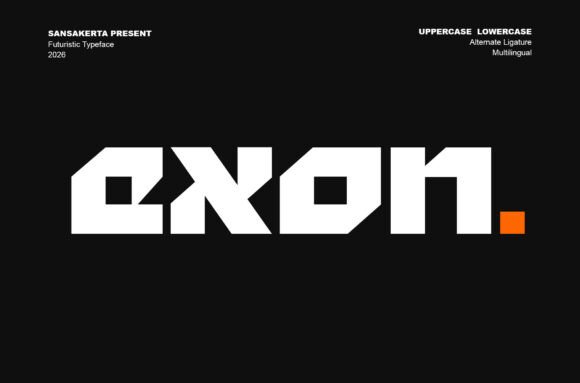
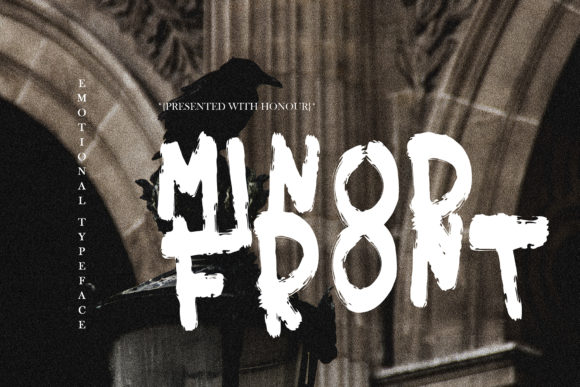
At its core, Minor Front is a premium font with a distinct, unapologetic character. Its letterforms are thick, with substantial weight and a strong, squared structure. This gives it an inherent sense of stability and modernity. Unlike delicate serifs or flowing script fonts, Minor Front doesn’t whisper; it speaks with clarity and authority. The chunky design ensures legibility even at larger sizes, making it a standout choice for headlines, logos, and any application where first impressions are critical.
The font’s personality leans toward the contemporary and industrial, yet it retains a clean versatility. It avoids the overly technical feel of some sans serif fonts while steering clear of the casualness of handwritten styles. This balance makes Minor Front adaptable. It can feel tech-forward for a startup’s branding, authoritative for a publisher’s title page, or energetic for a social media campaign. Its strength lies in its ability to anchor a design with visual weight, providing a foundation upon which other elements—like imagery, color, and supporting text—can confidently build.
Where Minor Front Truly Shines: Practical Applications
Knowing a font’s technical specs is one thing; understanding where it delivers real value is another. Minor Front excels in contexts that demand high visibility and strong recall.
Branding and Logo Design
For brand identity, consistency and recognition are paramount. Minor Front’s bold, chunky letters are inherently memorable. When used for a logo, it creates a mark that stands out in a crowded marketplace. It’s particularly effective for brands in fitness, outdoor adventure, automotive, tech, and modern lifestyle sectors. The font’s strength communicates durability, confidence, and forward momentum. Paired with a simpler, more neutral sans serif font for body text, it creates a clear and professional visual hierarchy.
Editorial and Publishing Design
In editorial design, from magazine covers to blog headers, Minor Front grabs the reader’s eye instantly. Its powerful presence can set the tone for an entire publication, whether it’s a gritty urban lifestyle zine or a sleek tech report. The font works beautifully for chapter titles, pull quotes, and section headers, breaking up long blocks of text and guiding the reader’s eye through the content. Its readability at scale ensures that even complex titles remain clear and engaging.
Digital and Social Media Graphics
The digital space is fast and visually saturated. Minor Front cuts through the noise. For web design, it makes for compelling hero text and call-to-action buttons that users can’t miss. On social media, where content scrolls by in milliseconds, a bold header in Minor Front can stop the scroll. It’s ideal for Instagram stories, YouTube thumbnails, promotional banners, and infographic titles. The font’s modern typography feel aligns perfectly with current digital trends, helping content feel fresh and relevant.
Packaging and Product Design
On a shelf or in an online store, packaging has to communicate quickly. Minor Front’s chunky letterforms are perfect for product names and key descriptors. It conveys a sense of substance and quality, which can influence purchasing decisions. Think of craft beer labels, energy drink cans, or premium tool branding—the font’s boldness aligns with products that are strong, reliable, and made to perform.
Making the Most of Minor Font: A Practical Guide
Choosing a font like Minor Front is a strategic decision. Here’s how to evaluate and implement it effectively.
Evaluate Project Fit: Ask yourself what emotion and message the project needs to convey. Minor Front is best for projects that require a strong, confident, and modern voice. It may not be the right choice for projects seeking a delicate, traditional, or highly formal aesthetic, like a wedding invitation or a law firm’s primary body text.
Master Font Pairing: This is where design skill comes into play. Minor Front, as a display font, should rarely be used for long paragraphs. Its strength is in headlines. Pair it with a highly readable serif or sans serif font for body copy. A classic combination might be Minor Front for headings with a clean, geometric sans serif like Montserrat or a humanist serif like Merriweather for text. This contrast creates visual interest and ensures the overall design is both striking and functional.
Test Readability and Legibility: Always test the font in context. View it at the actual size it will be used. Check how it looks in different colors and against various backgrounds. For digital use, ensure it renders clearly on different screens. For print, get a physical proof. Minor Front’s design is generally robust, but testing is a non-negotiable step in professional workflow.
Review Included Styles and Licensing: A quality premium font often comes with more than just the base style. Check if Minor Front includes alternate characters, ligatures, or multiple weights (like Regular, Bold, Italic). These extras provide creative flexibility. Furthermore, understand the commercial font licensing. Ensure the license covers your intended use—whether it’s for a single client project, multiple products, or widespread digital distribution. Respecting licensing protects you legally and supports the type designers who create these valuable assets.
In the end, a font is more than just a set of letters. It’s a tool for communication and a building block of visual identity. Minor Front is a powerful tool, designed to inject energy, confidence, and clarity into your work. By understanding its strengths and applying it thoughtfully, you can elevate your creative projects and ensure your ideas don’t just exist—they come alive with undeniable presence.